Semantic copywriting is a modern approach to writing SEO content that focuses on meaning, context, and user intent rather than simply repeating keywords. In the early days of search engine optimization, ranking a page often meant inserting the target keyword multiple times throughout the content. Today, search engines are far more advanced. They analyze how words relate to each other, what users are actually searching for, and how well a piece of content explains a topic in depth.
Modern search engines rely on technologies such as artificial intelligence, machine learning, and natural language processing (NLP) to understand the meaning behind search queries and web content. Instead of matching exact keywords, algorithms now interpret the context of a page, the entities mentioned, and the relationships between topics. This means that high-quality content must cover a subject comprehensively and provide clear answers to user questions.
Semantic copywriting helps writers create content that aligns with this advanced search engine understanding. By focusing on related concepts, entities, and topic depth, semantic copywriting improves both search engine comprehension and user experience.
In this complete guide, you will learn:
- What semantic copywriting is
- How search engines interpret semantic content
- The workflow used to create semantically optimized content
- Strategies for writing context-rich articles
- Tools that help improve semantic SEO
- Best practices for creating content that ranks in modern search engines
Understanding semantic copywriting is essential for anyone who wants to build topical authority and long-term organic visibility.
What Is Semantic Copywriting?
Semantic copywriting is the practice of writing content that focuses on topics, context, and related concepts rather than relying only on a single keyword. The goal is to help search engines understand the full meaning of a page by providing detailed information about a topic and including relevant entities and related ideas.
Instead of repeating the same keyword many times, semantic copywriting expands the content to cover multiple aspects of a subject. This may include definitions, examples, related terms, frequently asked questions, and supporting explanations.
This approach benefits both search engines and users. Search engines gain a clearer understanding of the topic being discussed, while readers receive more informative and useful content. As a result, semantic copywriting helps improve content relevance, topical authority, and overall search visibility.
Definition of Semantic Copywriting
Semantic copywriting can be defined as the process of creating content that focuses on meaning and contextual relevance rather than keyword repetition. It involves writing about a topic in a way that naturally includes related terms, entities, and concepts that help explain the subject more completely.
For example, an article about semantic copywriting might include related concepts such as search intent, entity optimization, natural language processing, and topical authority. These elements help search engines understand the broader context of the topic.
By covering these related aspects, semantic copywriting aligns with how modern search engines analyze and interpret web content.
Evolution of SEO Copywriting
SEO copywriting has evolved significantly over the past two decades. In the early years of search engines, ranking content often relied heavily on keyword density. Writers would repeat a target keyword as many times as possible in an attempt to signal relevance to search engines.
However, this practice often resulted in content that was difficult to read and provided little value to users. As search engine algorithms improved, they began to prioritize content quality and relevance rather than simple keyword repetition.
Modern algorithms now evaluate:
- Context and meaning of the content
- Relationships between words and topics
- User engagement and satisfaction
- Depth and comprehensiveness of the information
Because of these changes, SEO copywriting has shifted toward topic-focused and context-driven writing, which is the foundation of semantic copywriting.
Role of Semantic SEO in Content Strategy
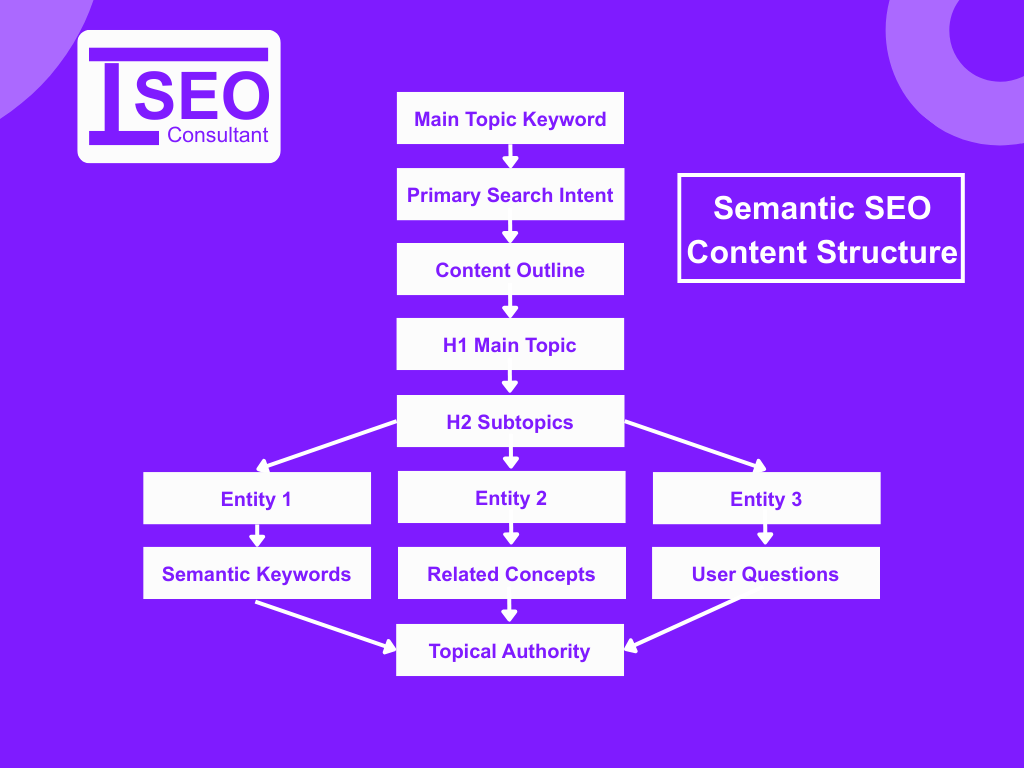
Semantic copywriting plays an important role in a broader semantic SEO strategy. Instead of optimizing individual pages for isolated keywords, semantic SEO focuses on building authority around a topic through interconnected content.
Key elements of a semantic SEO content strategy include:
Topical Authority
Creating multiple pieces of content that cover different aspects of a subject helps establish expertise and credibility in that topic area.
Entity Optimization
Including relevant entities such as concepts, organizations, tools, and processes helps search engines understand the context of the content.
Topic Clusters
Content is organized into clusters where a main pillar page covers the core topic and supporting articles explore related subtopics in greater detail.
Through this approach, semantic copywriting helps create content ecosystems that improve search engine understanding and strengthen overall SEO performance.
How Search Engines Understand Semantic Content
Modern search engines do more than simply match keywords between a search query and a web page. They analyze the relationships between words, entities, and topics to determine the meaning behind a piece of content.
This process relies on several advanced technologies, including:
- Machine learning algorithms
- Natural language processing
- Entity recognition systems
- Knowledge graphs
These systems allow search engines to understand not only the words used on a page but also the context in which those words appear.
For example, when a search engine analyzes an article about semantic copywriting, it can recognize related concepts such as SEO content strategy, keyword clustering, and search intent. By identifying these relationships, the search engine gains a deeper understanding of the topic being discussed.
Natural Language Processing in Search Engines
Natural language processing (NLP) is a technology that enables search engines to interpret and analyze human language. It allows algorithms to understand how words relate to each other in sentences and how meaning is conveyed in written content.
With NLP, search engines can:
- Identify the topic of a page
- Understand synonyms and related phrases
- Recognize questions and answers within content
- Determine the overall context of a paragraph or article
This capability allows search engines to evaluate content based on semantic meaning rather than exact keyword matches.
Entity Recognition and Context
Entities are specific things that can be clearly identified, such as people, places, organizations, products, or concepts. Entity recognition helps search engines identify these elements within content and understand how they relate to each other.
For example, in a piece of content about semantic copywriting, entities might include:
- SEO concepts
- Content strategies
- Search engine technologies
- Optimization techniques
When these entities are mentioned naturally within content, they provide signals that help search engines understand the topic more accurately.
Entity-based understanding allows search engines to move beyond simple keyword matching and instead evaluate the overall context of a page.
Google Knowledge Graph and Semantic Relationships
The knowledge graph is a system used by search engines to organize information about entities and their relationships. It connects people, places, organizations, and concepts in a structured way so that search engines can understand how different topics are related.
For example, the knowledge graph may link concepts such as SEO, content marketing, semantic search, and natural language processing. These connections help search engines interpret queries and deliver more accurate results.
By creating content that naturally references related entities and concepts, semantic copywriting aligns with how knowledge graphs organize information. This helps search engines better understand the meaning of the content and improves the likelihood that the page will appear for relevant searches.
Why International Semantic Copywriting Matters for SEO
Semantic copywriting plays a crucial role in modern search engine optimization because search engines no longer rely solely on keyword matching. Instead, they evaluate context, topic relevance, and the relationships between concepts to determine how useful a page is for a particular query. By writing content that covers a topic comprehensively and includes related concepts and entities, semantic copywriting helps search engines better understand the meaning and purpose of a page.
This improved understanding increases the likelihood that a page will rank for multiple related queries, not just a single keyword. As a result, semantic copywriting expands search visibility and allows content to attract a broader audience.
Another major benefit is that semantic content supports the development of topical authority. When a website consistently publishes detailed, well-structured content around a specific topic, search engines begin to recognize it as a reliable source of information in that area.
Improved Search Engine Understanding
Semantic writing provides search engines with a deeper level of context about the subject being discussed. Instead of relying on keyword repetition, semantic content naturally includes related concepts, entities, and explanations that help algorithms interpret the meaning of the page.
For example, an article about semantic copywriting may include terms such as search intent, entity optimization, natural language processing, content clusters, and topical authority. When search engines detect these related elements, they can better understand the topic and how the page fits within a broader information landscape.
This contextual clarity helps search engines match the content with a wider range of relevant search queries, improving the chances of ranking across multiple keywords.
Better User Experience
Semantic copywriting also improves the experience for readers. Instead of presenting shallow content that focuses on repeating keywords, semantic writing provides comprehensive and informative explanations of a topic.
By addressing related questions, offering examples, and covering different aspects of a subject, semantic content helps users find the information they need more quickly. This leads to several positive outcomes, including:
- Longer time spent on the page
- Reduced bounce rates
- Higher engagement with the content
Search engines monitor many of these engagement signals when evaluating content quality. As a result, a better user experience can indirectly contribute to stronger search rankings.
Stronger Topical Authority
Topical authority refers to the degree to which a website is recognized as a reliable source of information on a specific subject. Semantic copywriting contributes to this authority by ensuring that content thoroughly covers a topic and connects related concepts.
When multiple pieces of content on a website address different aspects of a topic, they collectively signal expertise to search engines. Over time, this network of interconnected articles builds a strong knowledge base around the subject.
For example, a site that publishes content on semantic copywriting might also create related articles about semantic SEO, keyword clustering, entity optimization, and content strategy. Together, these pages demonstrate depth of knowledge and reinforce the website’s authority within the SEO field.
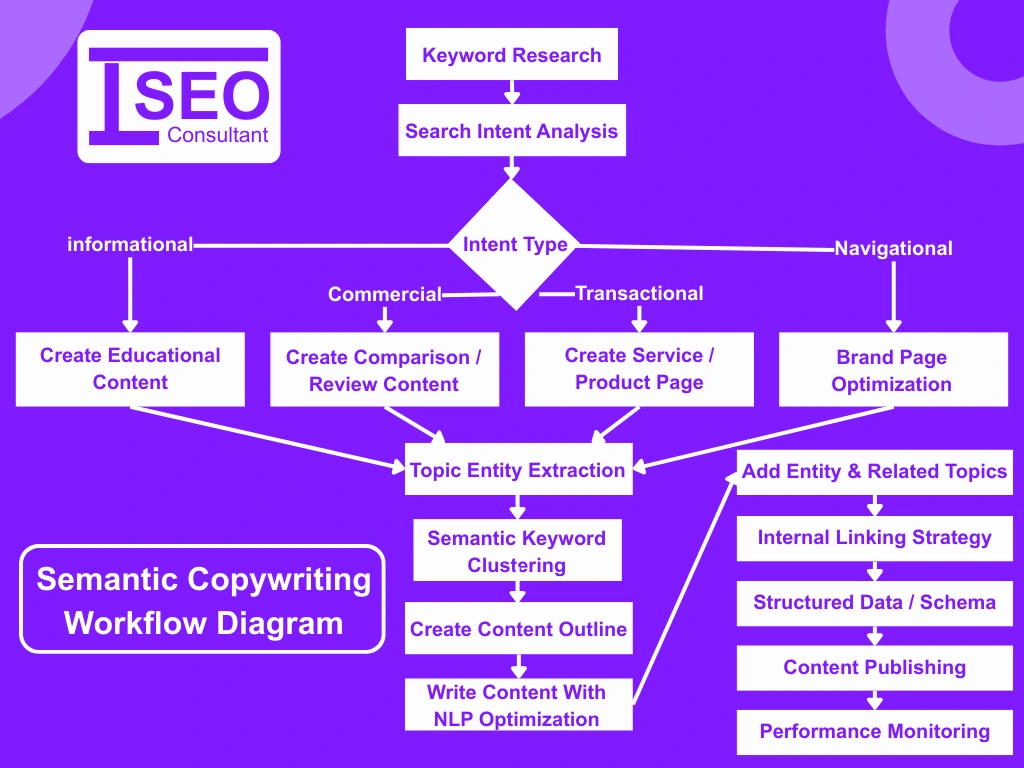
Semantic Copywriting Workflow
Semantic copywriting is most effective when it follows a structured workflow. Instead of writing content without a clear plan, semantic copywriting begins with research and progresses through several stages that ensure the final content is both informative and optimized for search engines.
This workflow typically includes keyword research, search intent analysis, topic clustering, content outlining, writing, and optimization. Each step helps ensure that the content covers the topic comprehensively and aligns with how modern search engines evaluate information.
Keyword Research and Topic Discovery
The first step in semantic copywriting is identifying the core topic and related search queries that users are interested in. Keyword research tools help reveal how people search for information and what questions they ask about a topic.
Rather than focusing on a single keyword, semantic copywriting emphasizes topic breadth. This means identifying a primary keyword and then expanding the research to include related topics, synonyms, and supporting questions.
This broader approach ensures that the content addresses multiple aspects of a subject and provides a more complete answer to user queries.
Identify Core Topic Keywords
A core topic keyword represents the main concept that the content will focus on. In this case, the primary keyword is semantic copywriting.
This keyword establishes the central theme of the article and guides the overall content structure. Once the main keyword is identified, the next step is to expand the research to include supporting queries and related topics.
After identifying the primary keyword, the next step is to discover related search queries that users frequently ask. These may include questions, variations, and related concepts connected to the main topic.
Examples of related queries for semantic copywriting might include:
- What is semantic SEO?
- How does semantic search work?
- How do you write semantic content?
- What are entities in SEO?
Including these queries within the content ensures that the article addresses a wider range of user interests and improves its chances of appearing for multiple search results.
Search Intent Analysis
Understanding search intent is essential for creating content that satisfies user expectations. Search intent refers to the reason behind a search query and what the user hopes to achieve by performing the search.
Analyzing intent helps determine the type of content that should be created and how it should be structured.
Informational intent occurs when users are searching to learn about a concept or gain knowledge on a particular topic. Queries with informational intent often include phrases such as “what is,” “how to,” or “guide.”
In the case of semantic copywriting, most searches fall under informational intent. Users want to understand the concept, learn how it works, and discover strategies for implementing it.
Commercial and Transactional Intent
Commercial and transactional intent occur when users are evaluating services or preparing to take an action such as making a purchase.
For example, someone searching for semantic copywriting services or SEO copywriting agencies may have commercial intent. In these cases, the content may include service explanations, comparisons, or case studies to help users make a decision.
Semantic copywriting adapts to different intent types by ensuring the content structure aligns with the user’s goal.
Semantic Keyword Clustering
Semantic keyword clustering involves grouping related keywords and phrases into thematic clusters. These clusters represent different aspects of a broader topic.
Instead of optimizing separate pages for every keyword variation, semantic clustering allows a single piece of content to address multiple related queries within one structured article.
This approach helps search engines understand that the content provides comprehensive coverage of the subject.
Topic Clusters and Content Mapping
Topic clusters organize content around a central theme. A main pillar page introduces the core topic, while supporting articles explore related subtopics in greater detail.
For example, a semantic SEO content cluster might include:
- Semantic Copywriting (pillar topic)
- Entity-Based SEO
- Keyword Clustering Strategies
- Topic Clusters in SEO
These pages link to each other and create a network of related content that strengthens topical authority.
Content Outline Creation
After completing research and clustering, the next step is building a structured content outline. The outline ensures that all important aspects of the topic are covered in a logical order.
A well-planned outline typically includes:
- A clear introduction
- Main sections that explain the topic
- Supporting subsections that expand on key ideas
- A conclusion that summarizes the information
This structure makes the content easier to read and helps search engines interpret the hierarchy of information.
Structuring H1, H2, and H3 Sections
Hierarchical headings help organize content into logical sections. Each heading level represents a different level of importance within the page structure.
For example:
- H1 represents the main topic of the page
- H2 introduces major sections
- H3 and H4 provide deeper explanations within those sections
This structured hierarchy improves readability and helps search engines identify the main topics and subtopics covered in the article.
Writing Contextual and Entity-Rich Content
Once the outline is prepared, the writing process focuses on creating content that includes relevant entities, related concepts, and natural language explanations.
Instead of forcing keywords into sentences, semantic copywriting emphasizes clarity, depth, and context. Writers should aim to explain the topic thoroughly while naturally incorporating related terms and examples.
This approach helps create content that is both informative for readers and easily understood by search engines.
Using synonyms and related terms helps expand the semantic context of the content. These variations signal to search engines that the article covers multiple aspects of the topic rather than repeating a single phrase.
For example, content about semantic copywriting might also include terms such as contextual writing, entity-based optimization, and topic-focused content strategy.
These related expressions enrich the content and improve its semantic relevance.
Internal Linking Strategy
Internal linking is an important part of semantic SEO because it connects related pages within a website. These links help search engines understand how different pieces of content relate to each other.
When pages covering similar topics link to one another, they form a structured network of information that strengthens topical authority.
Internal linking also helps users navigate a website and discover additional resources that expand their understanding of the subject.
Pillar Pages and Supporting Articles
The pillar-cluster model is a common internal linking structure used in semantic SEO. A pillar page provides a comprehensive overview of a main topic, while supporting articles explore specific subtopics in more detail.
For example, a pillar page on semantic copywriting might link to supporting articles about:
- Keyword clustering techniques
- Entity optimization strategies
- Topic clusters in SEO
These supporting pages link back to the pillar page, creating a strong internal content network.
Structured Data and Technical Optimization
Structured data and schema markup provide additional signals that help search engines understand the meaning of a page. Schema markup adds structured information to the page’s code, allowing search engines to identify specific elements such as articles, FAQs, or authors.
When implemented correctly, structured data can enhance how content appears in search results and improve search engine interpretation of the page.
Technical optimization also includes ensuring that pages are well-structured, load quickly, and are accessible to search engine crawlers. These technical factors support the effectiveness of semantic copywriting and help ensure that high-quality content is properly indexed and ranked.
Best Practices for Effective international Semantic Copywriting
Creating semantically optimized content requires more than inserting keywords into a page. It involves writing in a way that clearly explains a topic while including related concepts, entities, and contextual information that help search engines understand the meaning of the content.
Effective semantic copywriting focuses on topic coverage, natural language, contextual relevance, and user intent. When these elements are combined, the result is content that performs well in search engines while also providing real value to readers.
The following best practices can help writers create content that aligns with modern semantic SEO principles.
Focus on Topics Instead of Single Keywords
One of the most important principles of semantic copywriting is focusing on topics rather than individual keywords. Instead of writing a page that only targets one specific phrase, semantic content explores the entire subject in depth.
For example, a page about semantic copywriting should not only mention the primary keyword but also discuss related topics such as search intent, entity optimization, keyword clustering, natural language processing, and topical authority.
By covering these related areas, the content becomes more comprehensive and useful. Search engines recognize that the page addresses multiple aspects of the topic, which increases its potential to rank for a wider range of related search queries.
This approach also helps establish the page as a complete resource on the subject rather than a narrow article focused on a single phrase.
Use Natural Language
Semantic copywriting emphasizes writing in a natural and conversational style. Instead of forcing keywords into sentences, writers should focus on explaining ideas clearly and logically.
Search engines today are capable of understanding synonyms, variations, and contextual language, which means content does not need to repeat the same keyword repeatedly in order to rank.
Writing naturally improves both readability and user experience. Readers are more likely to engage with content that flows smoothly and provides clear explanations. This engagement can lead to longer time on page and higher satisfaction, which are signals that search engines often consider when evaluating content quality.
A natural writing style also allows the content to incorporate related phrases and expressions that strengthen its semantic relevance.
Entities are identifiable elements such as people, organizations, technologies, tools, or concepts that help define a topic. Including relevant entities within content helps search engines understand the context and relationships surrounding a subject.
For example, an article about semantic copywriting might reference concepts such as content strategy, topic clusters, natural language processing, and search intent analysis. These related ideas expand the context of the content and provide a deeper explanation of the subject.
By incorporating entities and related concepts, semantic copywriting creates a richer and more informative resource for readers while also helping search engines interpret the page more accurately.
Answer User Questions Clearly
Another important practice in semantic copywriting is addressing the questions that users commonly ask about a topic. When content answers these questions clearly, it becomes more useful and relevant to searchers.
User questions often appear in search results as People Also Ask queries, related searches, or long-tail keywords. Including these questions within the content helps ensure that the article addresses the information users are actively seeking.
Clear answers also improve the chances of appearing in special search result features such as featured snippets or question-based results. By focusing on user questions, semantic copywriting aligns content with both search engine algorithms and real user needs.
Common Mistakes in international Semantic Copywriting
While semantic copywriting can significantly improve content quality and search visibility, certain mistakes can reduce its effectiveness. These errors often occur when writers focus too heavily on traditional SEO tactics or fail to provide sufficient depth and structure.
Avoiding the following mistakes can help ensure that content maintains strong semantic relevance and performs well in search results.
Keyword Stuffing
Keyword stuffing is one of the most common mistakes in SEO writing. It occurs when a keyword is repeated excessively in an attempt to increase its relevance for search engines.
This approach not only makes content difficult to read but can also harm rankings. Modern search engines are designed to detect unnatural keyword usage and may interpret it as an attempt to manipulate search results.
Semantic copywriting avoids keyword stuffing by focusing on context and topic coverage. Instead of repeating a keyword many times, the content naturally incorporates related terms, synonyms, and supporting explanations that provide a deeper understanding of the subject.
Ignoring Context and Topic Depth
Another common mistake is creating content that only addresses a topic superficially. Shallow content may mention the main keyword but fail to explain the subject in sufficient detail.
Search engines prefer pages that provide comprehensive and informative coverage of a topic. Content that lacks depth may struggle to compete with articles that offer detailed explanations, examples, and supporting information.
Semantic copywriting addresses this issue by expanding content to include multiple subtopics, related concepts, and contextual explanations. This approach ensures that the page fully answers user questions and provides meaningful value.
Poor Content Structure
A disorganized content structure can make it difficult for both readers and search engines to understand the information presented on a page. When headings are unclear or sections are poorly arranged, the overall topic hierarchy becomes harder to interpret.
Semantic copywriting relies on a clear heading structure that organizes content into logical sections and subsections. Using hierarchical headings such as H1, H2, H3, and H4 helps define the relationships between different parts of the content.
A well-structured article improves readability, allows readers to navigate the content more easily, and helps search engines identify the main topics and supporting details within the page.
Creating semantically optimized content becomes much easier when you use specialized SEO tools. These tools help writers and SEO professionals identify entities, related topics, keyword clusters, and contextual relevance that search engines expect within high-quality content.
Instead of relying only on intuition, semantic SEO tools analyze top-ranking pages and reveal the important concepts that should be included in your content. This data-driven approach helps ensure that your article covers a topic comprehensively and aligns with how modern search engines evaluate information.
Semantic copywriting tools generally fall into three main categories: content optimization tools, keyword clustering tools, and NLP analysis tools.
Content Optimization Tools
Content optimization tools analyze top-ranking pages and identify the important terms, entities, and subtopics that appear within them. These tools help writers understand how thoroughly a topic should be covered and which related concepts should be included.
Popular tools include:
- Surfer SEO
- Clearscope
- MarketMuse
- Frase
These tools analyze existing search results and recommend related keywords, headings, and entities that can improve semantic coverage. By following these recommendations, writers can create content that matches the depth and context expected by search engines.
Keyword clustering tools help group related keywords into thematic clusters. Instead of creating separate pages for every keyword variation, clustering allows writers to cover multiple related queries within one well-structured article.
Some commonly used keyword research and clustering tools include:
These tools provide keyword suggestions, search volume data, and related query insights. Once keywords are identified, they can be grouped into clusters that represent different aspects of the topic.
Keyword clustering is important for semantic copywriting because it ensures that content addresses a broad range of user queries rather than focusing on a single keyword.
Natural Language Processing (NLP) tools analyze how search engines interpret the language within a page. These tools evaluate entity usage, contextual relevance, and semantic relationships between words.
A well-known NLP resource is:
- Google Cloud Natural Language API
This tool analyzes text and identifies entities, sentiment, syntax, and relationships between words. By understanding how NLP systems interpret content, writers can adjust their writing to include clearer context and stronger topic coverage.
Using NLP analysis tools helps ensure that content aligns with how modern search engines interpret meaning and context.
Example of a Semantic Copywriting Strategy
Understanding the theory behind semantic copywriting is helpful, but seeing how it works in practice makes the concept much clearer. A semantic content strategy typically begins with selecting a topic and then expanding that topic into related entities and subtopics.
This process ensures that the final content provides comprehensive coverage of the subject while addressing multiple related search queries.
Topic → Entities → Subtopics Example
Consider the topic semantic copywriting.
The first step is identifying the main topic:
Topic: Semantic Copywriting
Next, identify the entities and related concepts associated with the topic. These might include:
- Search intent
- Natural language processing
- Topic clusters
- Keyword clustering
- Content optimization tools
- Internal linking strategies
These entities help define the broader context of the subject.
Once entities are identified, they can be expanded into subtopics that form the structure of the article. For example:
- What is semantic copywriting
- How search engines understand semantic content
- Benefits of semantic copywriting
- Workflow for creating semantic content
- Tools for semantic SEO
Each subtopic addresses a different aspect of the topic, creating a comprehensive piece of content that fully explains the subject.
Building a Semantic Content Outline
After identifying the topic, entities, and subtopics, the next step is organizing them into a structured content outline. This outline uses hierarchical headings to create a logical flow of information.
For example:
H1: Semantic Copywriting
H2: What Is Semantic Copywriting
H2: Why Semantic Copywriting Matters for SEO
H2: Semantic Copywriting Workflow
H2: Tools for Semantic Copywriting
Within each section, additional headings break down the information into smaller parts. This structure improves readability and helps search engines understand the relationships between different sections of the content.
A well-structured outline also ensures that the article addresses all major aspects of the topic before writing begins.
Frequently Asked Questions About Semantic Copywriting
Many people who are new to semantic SEO have questions about how semantic copywriting works and why it matters. The following frequently asked questions provide clear explanations of the most common topics related to this concept.
What Is the Main Goal of international Semantic Copywriting?
The main goal of semantic copywriting is to help search engines understand the meaning and context of a piece of content. Instead of relying on keyword repetition, semantic copywriting focuses on explaining a topic thoroughly by including related concepts, entities, and contextual information.
This approach improves the relevance of the content and ensures that users receive more helpful and informative answers to their questions.
How Is international Semantic Copywriting Different From Traditional SEO Writing?
Traditional SEO writing often focused on inserting a specific keyword into the content as many times as possible. This strategy relied heavily on keyword density and exact phrase matching.
International Semantic copywriting, on the other hand, focuses on topics and context. Instead of repeating a single keyword, it expands the content to include related concepts, synonyms, and supporting explanations that help search engines understand the broader meaning of the page.
This shift reflects how modern search engines interpret content using natural language processing and entity recognition.
Does International Semantic Copywriting Improve Search Rankings?
international Semantic copywriting can improve search rankings by making content more relevant and comprehensive. When a page covers a topic thoroughly and includes related concepts, search engines can better understand the subject and match the page with more relevant search queries.
In many cases, semantically optimized content ranks for multiple related keywords, increasing overall search visibility and organic traffic.
However, semantic copywriting works best when combined with other SEO factors such as technical optimization, strong internal linking, and high-quality backlinks.
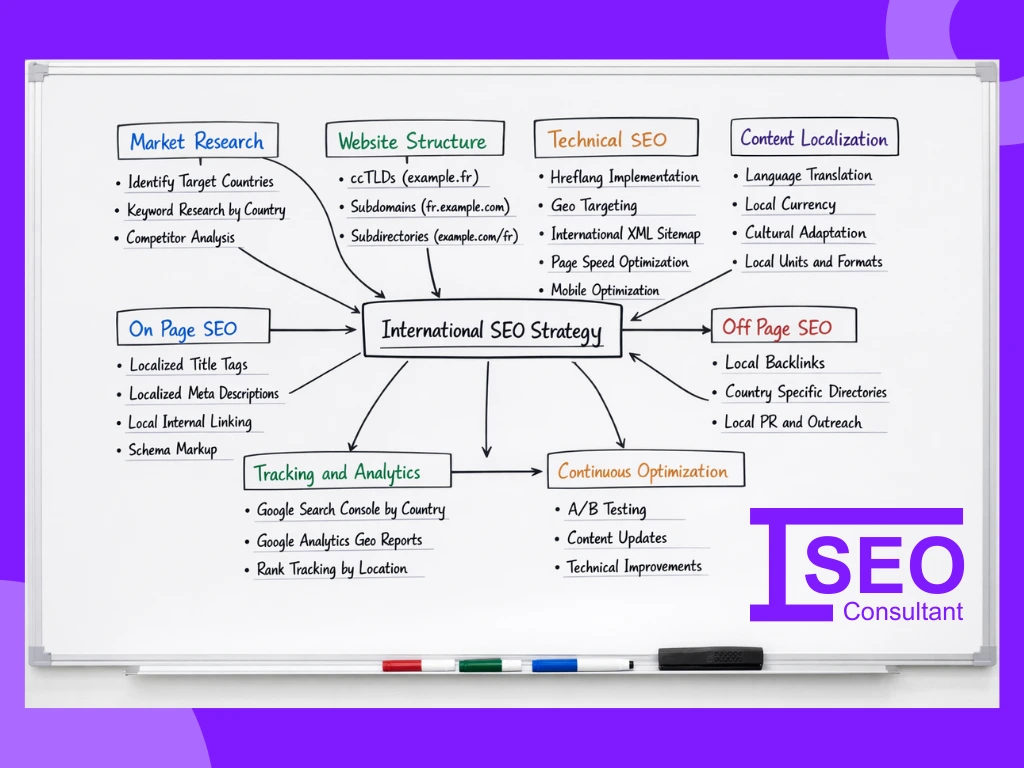
8 Key Considerations for Multilingual Semantic Copywriting?
When creating multilingual semantic copywriting, businesses must carefully align content with both user intent and search engine expectations. Leveraging professional international SEO services ensures that each translation not only reads naturally but also targets the right keywords and entities for global audiences. From optimizing headings and meta tags to implementing hreflang and language-specific schema, effective multilingual semantic strategies rely on expertise often provided by leading international SEO services. Additionally, these services help maintain consistency across multiple regions, ensuring that content resonates culturally while supporting search visibility. By collaborating with skilled international SEO services, companies can structure content that appeals to diverse users, improves engagement, and boosts conversions. Ultimately, prioritizing multilingual semantic copywriting with guidance from international SEO services strengthens global presence and enhances overall SEO performance.
Conclusion
International Semantic copywriting represents a major shift in how SEO content is created. Instead of focusing solely on keywords, modern content strategies emphasize context, topic depth, and entity relationships. This approach aligns with how search engines interpret language using artificial intelligence and natural language processing.
By applying international semantic copywriting principles, writers can create content that is more informative, more relevant to user queries, and easier for search engines to understand. This results in improved search visibility and stronger topical authority.
To successfully implement international semantic copywriting, it is important to follow a structured workflow that includes keyword research, search intent analysis, topic clustering, structured content outlines, and contextual writing. Using specialized SEO tools can further enhance this process by revealing important entities and related topics that should be included in the content.
Ultimately, international semantic copywriting helps bridge the gap between search engine algorithms and human readers, ensuring that content is both optimized for SEO and valuable for the audience. By adopting this approach, websites can build stronger authority within their niche and achieve sustainable organic growth.